
Personalization in the Age of Trust and Control
For a long time, personalization was associated with a relatively simple objective: getting to know customers better.
The more a brand understood its customers’ habits, preferences, and behaviors, the better equipped it was to deliver relevant experiences. This mindset has largely shaped the evolution of CRM strategies, loyalty programs, and customer experience initiatives over the past decades.
The rise of new technologies, the democratization of data platforms, and the growth of relationship marketing have enabled organizations to deepen their customer knowledge like never before. Personalization gradually became one of the most powerful drivers of differentiation for both brands and loyalty programs.
Then, the rules of the game began to change.
Over the past several years, new privacy regulations, the announced phase-out of third-party cookies, and growing consumer concerns about data privacy have transformed how organizations approach customer data. Consumers have become increasingly aware of the value of their personal information and more attentive to how it is collected and used.
But this evolution goes far beyond regulatory compliance.
At its core, it reflects a deeper shift in consumer expectations. Customers still appreciate relevant and personalized experiences, but they also want to better understand how their data is being used, exercise greater control over it, and trust the organizations they do business with.
In 2023, we explored this reality in our article on privacy and personalization. At the time, we observed that organizations had an opportunity to strengthen trust by prioritizing voluntarily shared data rather than relying solely on large-scale data collection.
Three years later, that reflection remains more relevant than ever.
The question is no longer simply how to continue personalizing experiences in a world where consumers want greater control over their data.
A new question is emerging:
How can organizations give customers greater control over personalization itself?
Because beyond data privacy, consumer expectations seem to be evolving toward something broader: a desire to actively participate in the experiences that brands create for them.
In this article
When Customer Knowledge Was at the Heart of Personalization
For many years, personalization was primarily built on a deeper understanding of the customer.
Organizations sought to understand purchasing behaviors, preferences, consumption habits, and interactions to deliver more relevant experiences. The more a company knew about its customers, the better it could tailor communications, offers, and recommendations to their needs.
This pursuit of customer knowledge fueled the growth of CRM technologies, loyalty programs, and data collection and analytics capabilities. The objective was clear: use an increasingly sophisticated understanding of customers to improve their experience with the brand.
This approach led to significant advances. Organizations learned how to personalize communications, recommend more relevant products, and create more consistent omnichannel journeys. Personalization gradually became a key driver of customer experience and loyalty.
For years, one prevailing belief dominated the industry: the more a company knew about its customers, the more effectively it could personalize their experience.
Then, the landscape began to change.
When Consumers Started Taking Back Control
In recent years, concerns surrounding personal data protection have become central to conversations about marketing and customer experience.
- New regulations.
- Stronger privacy settings.
- The announced end of third-party cookies.
- Growing concerns about how personal data is collected and used.
At first glance, these changes appeared to represent a challenge to personalization. How can organizations continue to deliver relevant experiences with access to less data? How can they maintain the same level of personalization when consumers are more cautious about what they share?
Yet, as we highlighted back in 2023, this evolution should not be viewed as a threat, but rather as an opportunity to strengthen trust between brands and customers.
Organizations were encouraged to focus more on voluntarily shared data, direct customer relationships, and transparent practices.
Looking back, this transformation seems to have revealed something even more fundamental.
Consumers never stopped wanting personalized experiences. They simply started wanting more control. This desire for control can now be observed across many everyday interactions, from cookie consent notices and communication preferences to personalized digital experiences. The more consumers feel they have genuine options and influence over decisions that affect them, the more likely they are to develop trust in a brand.
Trust Has Become an Essential Condition for Personalization
Consumer expectations have continued to evolve.
Today, customers still value relevant experiences. They appreciate offers tailored to their needs and communications that feel meaningful. But they also want to understand how their data is being used.
- They want to choose what they share.
- They want to know what they receive in return.
In other words, personalization is no longer solely about relevance. It has also become a matter of trust.
That trust rests on three key pillars:
- Transparency
- Value creation
- Customer control
The growing importance of control is also reflected in recent research on digital consent. A study published in the Journal of Electronic Commerce Research found that when consumers feel they have genuine choice regarding the use of their data, they feel more empowered and develop a more positive relationship with the brand.
Although this research focuses specifically on cookie consent mechanisms, it highlights a broader trend: consumers increasingly value having meaningful influence over decisions that affect them.
And it is precisely this final element that becomes particularly interesting.
When a customer chooses to share a preference with a brand, they are not simply providing data. They are also expressing what they would like to receive in return.
This distinction is important because it opens the door to a new way of thinking about personalization.
A New Stage in the Evolution of Loyalty Programs
This reflection is particularly relevant in the world of customer loyalty.
For years, loyalty programs have used customer data and preferences to create more relevant experiences. Targeted offers, personalized recommendations, rewards tailored to purchasing habits, and more relevant communications have made personalization a powerful driver of value creation.
Traditionally, this personalization relied on an organization’s ability to analyze customer behavior and better understand customer needs and preferences. Through data, analytics, and more recently artificial intelligence, organizations have become increasingly efficient at recommending products, personalizing communications, and anticipating customer expectations.
This approach remains essential and will continue to evolve as AI capabilities advance.
However, consumer expectations appear to be moving one step further.
After asking for greater transparency around the use of their data, many consumers now want to play a more active role in shaping how their experiences are personalized.
This shift is consistent with what we have been observing for several years in the realm of data privacy. As consumers gained more transparency and control over the data they chose to share, their expectations expanded. Today, many are seeking that same level of control within the experiences brands create for them.
Data and artificial intelligence now allow organizations to anticipate customer expectations with unprecedented accuracy. Yet anticipating is not necessarily the same as choosing.
The question is no longer simply:
How can we better anticipate our customers’ needs?
It has also become:
How can we allow customers to express what matters most to them?
As a result, some organizations are exploring new mechanisms that give members greater control over rewards, benefits, and other aspects of their loyalty journey.
The concept itself is not entirely new.
From the moment it launched, Fizz’s Rewards Program introduced an approach that differed from many traditional loyalty programs. As members progress through levels, they are invited to choose certain benefits for themselves.

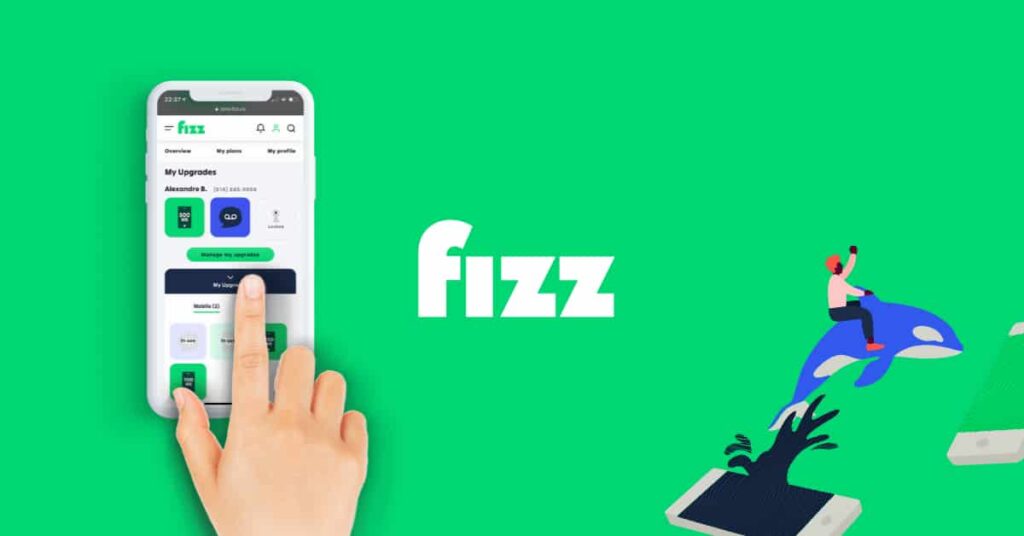
This approach is particularly interesting because it does not rely solely on the brand determining which reward will be most relevant for the customer. Instead, it gives members the opportunity to express what they value most at that point in their journey.
In this sense, Fizz was ahead of its time. It demonstrated an approach that is becoming increasingly important today: a form of personalization driven not only by what a brand knows about its customers, but also by the customer’s ability to directly influence the value they want to derive from the program. To see how this approach was brought to life in practice, explore our Fizz case study.
| KEY TAKEAWAY This approach does not replace data-driven personalization. It complements it. Personalization no longer relies exclusively on what brands can infer from observed behaviors. It also relies on what customers actively choose to express. |
Recognition Means Different Things to Different People
This evolution becomes particularly interesting when we look at the concept of recognition.
In discussions about loyalty, personalization, and customer experience, we often assume that all customers want to be recognized in the same way.
Yet that is rarely the case.
- For some, recognition comes through relevant offers.
- For others, it comes through consistent service.
- For others still, it may take the form of a simplified experience or access to exclusive benefits.
Recognition is inherently subjective.
That is why an approach that gives customers more choice can sometimes create more value than one that simply refines personalization mechanisms. The value comes not only from the relevance of what is offered, but also from the feeling that customers retain some control over their experience.
The Future of Customer Experience Will Likely Be More Collaborative
This trend reflects a broader evolution in customer experience.
For years, organizations designed experiences for customers.
Today, customers increasingly want to participate. They want to express their preferences. Choose aspects of their experience. Influence the benefits they receive. Adapt elements of the relationship to their reality.
This dynamic already exists across many industries.
We see it in content platforms, mobile applications, digital services, and increasingly within loyalty programs.
Personalization is becoming less of a brand-led initiative and more of a collaborative process between brands and customers.
How Can Brands Balance Customer Insights and Customer Choice?
The future of personalization does not depend on choosing between data and customer control.
Data remains essential for understanding behavior, anticipating needs, and continuously improving the customer experience.
However, data cannot replace what customers are able to express for themselves.
As consumers seek a more active role in shaping their experiences, personalization benefits from combining two complementary approaches: what brands learn through data and what customers choose to share, prioritize, or value most.
Organizations that successfully balance data-driven insights with customer choice will be better positioned to create experiences that are relevant, engaging, and built on trust.
Conclusion
Over the past several years, the relationship between consumers, their data, and brands has fundamentally evolved.
For a long time, organizations focused on knowing their customers better in order to personalize experiences. Then came growing privacy concerns, new regulations, and increasing demands for transparency. Consumers gradually regained control over the data they were willing to share and, in doing so, redefined the foundations of their relationships with brands.
This evolution does not appear to stop at data protection.
Today, consumer expectations extend to the experience itself. Consumers no longer simply want to understand how their data is used; they also want to play a more active role in shaping how value is delivered to them.
For loyalty programs, this creates new opportunities. It is no longer only about using data to anticipate members’ needs, but also about allowing them to express their preferences, influence their journey, and define what creates value in their eyes.
This does not mean that data or artificial intelligence are becoming less relevant. Quite the opposite. Organizations will continue to rely on these tools to better understand customers and enrich their experiences.
The most successful programs, however, will be those that combine predictive capabilities with a greater emphasis on customer choice.
Because ultimately, the most meaningful personalization may not come solely from what brands know about their customers. It may also come from giving customers a greater role in shaping the experience they want to have.
Frequently Asked Questions About Personalization
Is personalization still relevant today?
Yes. Consumers still value experiences that are relevant and tailored to their needs. However, they now place greater importance on transparency, control, and trust when it comes to the use of their personal data.
How can brands personalize without being intrusive?
The most effective personalization strikes a balance between relevance, transparency, and freedom of choice. Organizations that clearly explain how data is used and allow consumers to influence their experience are more likely to build trust.
Why give consumers more control?
A sense of control contributes directly to trust in a brand. The more consumers feel they can influence decisions that affect them, the more likely they are to develop a positive and lasting relationship with the organization.
What role will data play in the future of personalization?
Data will remain essential for understanding customer behavior, measuring performance, and identifying opportunities for improvement. However, it is most effective when complemented by the preferences, choices, and intentions that consumers actively express themselves.
Looking to Evolve Your Loyalty Program to Meet Changing Consumer Expectations Around Personalization, Trust, and Control?
At stratLX, we help organizations design loyalty programs and customer experiences that create value for both the business and its customers. From loyalty strategy to benefit design, we help brands find the right balance between data, personalization, and customer choice. Contact us to learn how we can help.