How loyalty programs can reduce customer effort, enhance overall experience, and optimize internal operations
“Friction is the enemy of loyalty.”
The Global Customer Loyalty Report confirms this:
- 49.1% of members feel it takes too long to earn a reward
- 41.1% are frustrated by point expiration
Result: 27% of points are never redeemed, and 12% expire. In other words, every step that adds effort (delay, confusion, complexity) weakens loyalty.
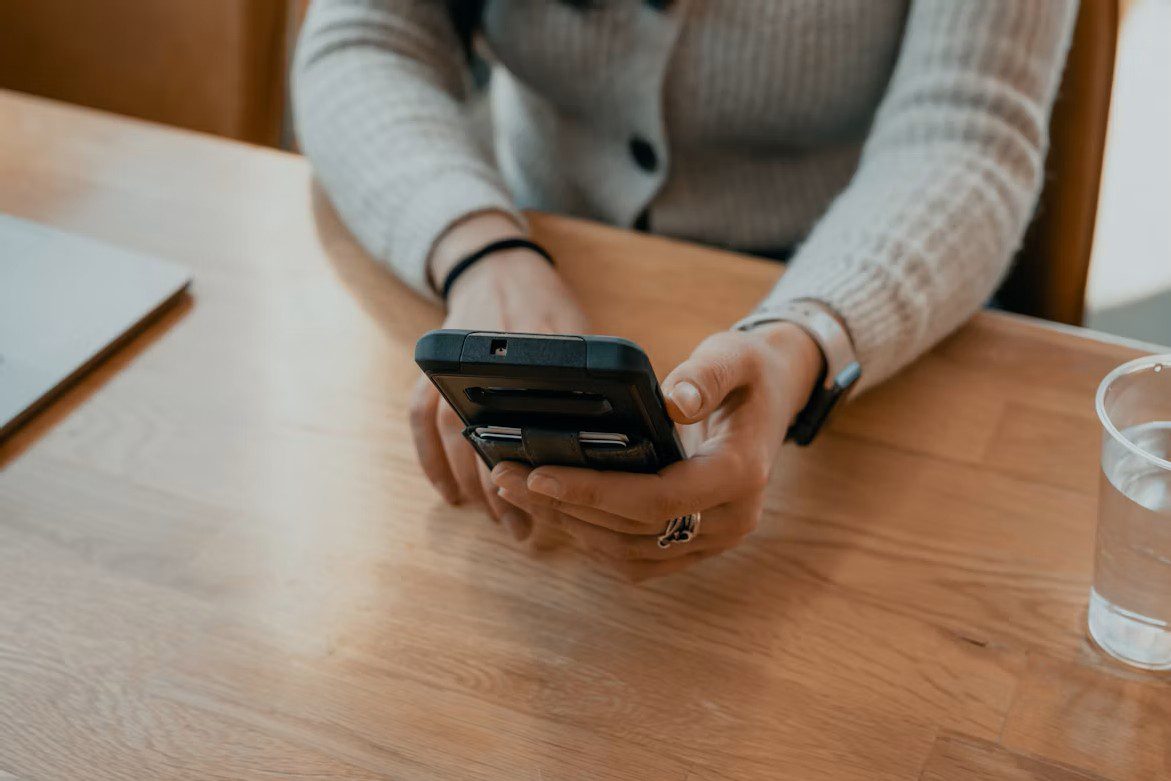
This aversion to effort has intensified in the digital age. Consumers now expect a simple, immediate, and always-accessible experience, right from their pocket. In this context, even minor friction (such as an extra step to access a loyalty program) becomes a psychological barrier that can weaken the relationship with the brand.
At the same time, customers seek community and social features, provided they are simple and well-integrated into the experience — a trend also confirmed by the Global Customer Loyalty Report:
- 68.5% recommend friends
- 36.1% are open to sharing or pooling points
- 72.0% are more likely to purchase from brands offering these features
In other words, when access to rewards and social features is intuitive and effortless, brands can turn ordinary interactions into powerful loyalty levers, while optimizing their internal operations.
Simplified returns, contextualized rewards, meaningful gamification, and priority access at critical moments in the customer journey: loyalty is no longer just a marketing program; it has become a strategic tool to streamline the customer journey and enhance operational performance.
To understand how to achieve this, we first need to analyze why friction has such a strong impact on loyalty, and then look at how some companies turn these obstacles into moments of loyalty.
Table of Contents
Why Friction Points Affect Loyalty
Every interaction with a brand requires a certain level of attention and effort. These micro-efforts are often invisible, but when accumulated, they create cognitive fatigue and can negatively impact brand perception.
Psychological Impact
Behavioral psychology research shows that consumers hate unnecessary effort. For example, a study published in Harvard Business Review on the Customer Effort Score demonstrates that loyalty is primarily driven by ease of interaction: 94% of customers who experience low-effort interactions say they are likely to repurchase, whereas high-effort experiences significantly increase the risk of disengagement.
Even a small obstacle (such as finding information, understanding a process, or waiting for approval) increases stress and reduces satisfaction. The brain perceives each additional step as an energy cost, and if that cost is not immediately rewarded, the experience becomes frustrating.
Consequences for Loyalty
Repeated friction can lead to:
- Momentary irritation
- A decline in overall satisfaction
- The temptation to switch to another brand
Current Trends in Loyalty Programs
Today, loyalty programs are evolving in two complementary directions:
- Simplicity and Ease of Access
- Customers expect frictionless access to their loyalty program—whether via a mobile app, digital or physical card, or even through a phone number or payment card acting as their unique identifier. The experience must be consistent and intuitive across all channels. Any friction in accessing benefits or delays in reward delivery increases the risk of disengagement.
- Community and Participation
- Community features, such as referrals, point sharing, or participation in challenges, remain underutilized but drive strong engagement when well-integrated. These experiences allow members to feel like co-creators of value, rather than just passive consumers.
Turning Friction into Loyalty: The Altitude Sport Example


For 100% online stores, one of the main friction points is hesitation to purchase without trying on clothes or equipment. Altitude Sport identified this issue and turned it into a loyalty lever.
Altitude Sport Solution: Free Return for Members
- For the customer: online shopping becomes simple and reassuring, even without trying the products.
- For the company: differentiation from competitors and strengthened member trust.
By reducing effort and uncertainty, Altitude Sport created a rewarding and reassuring experience, increasing the likelihood that customers will return and recommend the brand.
2. BIXI Solution: Building Loyalty While Optimizing


Loyalty programs do not only serve the customer; they can also simplify internal operations.
Identified Customer Pain Points:
- Frustration when arriving at an empty bike station
- Frustration when trying to park at a full station
- Extra pressure when in a hurry
Organizational Complexity:
- Redistributing bikes requires significant coordination
- Manual interventions are costly and time-consuming
BIXI Solution:
- For the customer: earning points becomes motivating and engaging by encouraging useful behaviors, such as heading to stations with available bikes or returning a bike to an empty dock to help balance the network.
- For the company: members actively participate in bike redistribution, reducing management needs and manual interventions
This approach illustrates a dual strategic lever: improving the customer experience while simplifying operations and enhancing company performance.
3. Communauto: From Operational Friction to Positive Experience


Similarly, Communauto uses loyalty-inspired incentives to align operational needs with a positive user experience.
Operational Situation:
- Certain vehicles need to be moved due to weather or snow removal
Solution:
- Offer free usage time on certain FLEX vehicles to encourage users to relocate them
Result:
- For the customer: a rewarding experience and the perception of gaining an advantage
- For the company: more efficient vehicle redistribution and fewer manual interventions
This example demonstrates how a loyalty-inspired incentive mechanism can turn an operational need into a shared benefit for both the customer and the company.
Strategic Advantages of a “Frictionless” Approach
For the Customer:
- Reduced effort: less stress and frustration
- Clear perceived value: easy understanding of rewards and benefits
- Consistent experience: strengthened trust and increased loyalty
For the Company:
- Streamlined operations: fewer manual interventions and optimized resources
- Market differentiation: customers perceive the brand as attentive and proactive
- Enhanced engagement: participation in rewarding and gamified activities
Recommendations for implementing this approach
- Identify key friction points
Analyze the customer journey to spot obstacles that cause frustration or abandonment. - Create solutions that benefit both the customer and the business
For example, simplified returns, gamification, or bonus points for participating in certain initiatives. Collaboration with the relevant teams is essential to design these solutions, aligning customer and operational objectives while maximizing efficiency gains. - Measure impact on loyalty and operational efficiency
Track KPIs such as return rates, repeat purchases, community engagement, and reduction in manual interventions. - Communicate the benefits clearly
Customers should understand how and why they gain from these initiatives. - Evolve and adapt the program
Collect feedback, test new features, and adjust according to usage patterns and customer preferences.


Key takeaways
Loyalty is not just about offering rewards. The most successful companies turn friction points into moments of loyalty, creating a dual impact:
- For the customer: a simple, clear, and rewarding journey
- For the company: streamlined operations, improved efficiency, and sustained engagement
Concrete examples such as Altitude Sport, BIXI, and Communauto demonstrate that every friction point can become an opportunity to strengthen loyalty while optimizing internal operations.
By adopting this approach, brands do more than simply build customer loyalty: they rethink the customer journey, streamline their processes, and create a differentiated experience capable of generating long-term value.
Do you want to turn friction points into moments of loyalty?
As customer loyalty experts, we help you design initiatives that simplify the customer journey while optimizing your internal operations. Contact us to learn how to make your loyalty program a strategic, double-impact lever that benefits both your customers and your business.